
The Telescope Corridor
- The Telescope to See Planets: What You'll Actually See A small telescope really does show Saturn's rings and Jupiter's moons.
- The Best Telescope to See Saturn, and What Its Rings Really Look Like A 60mm telescope at 50x already shows Saturn's rings clearly.
- The Best Telescope: Just Tell Me Which One to Buy For most first buyers the best telescope is a $150 to $350 pick chosen for aperture and a steady mount…
- Telescope for Beginners: The One Number, and the One Lie Buy for one number: aperture, the width of the end that gathers light.
A telescope isn’t one decision. It’s about five of them, and they come in an order. Most people buy badly because they start at the last question, the magnification number, instead of the first one. So let me walk you down the corridor the way it really goes. You can step off at any door that matches you.
Start at the moon
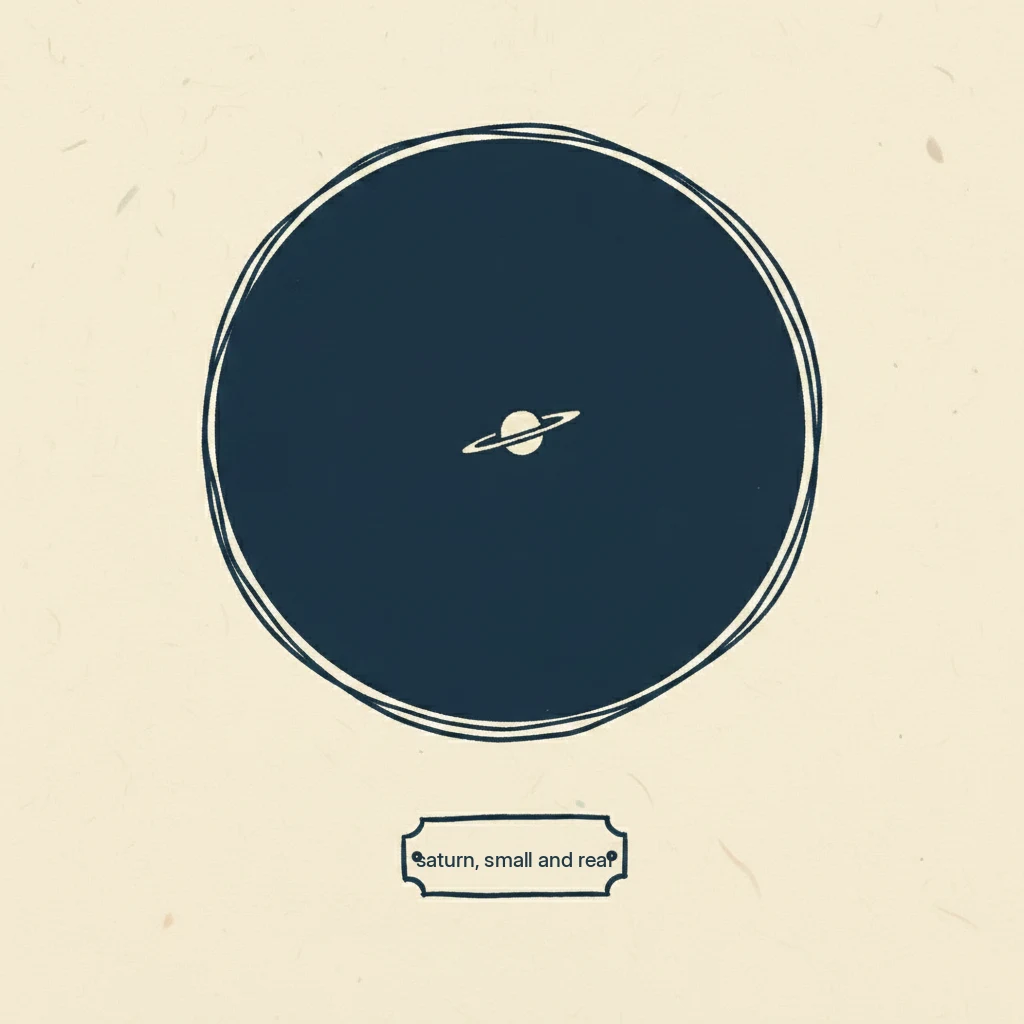
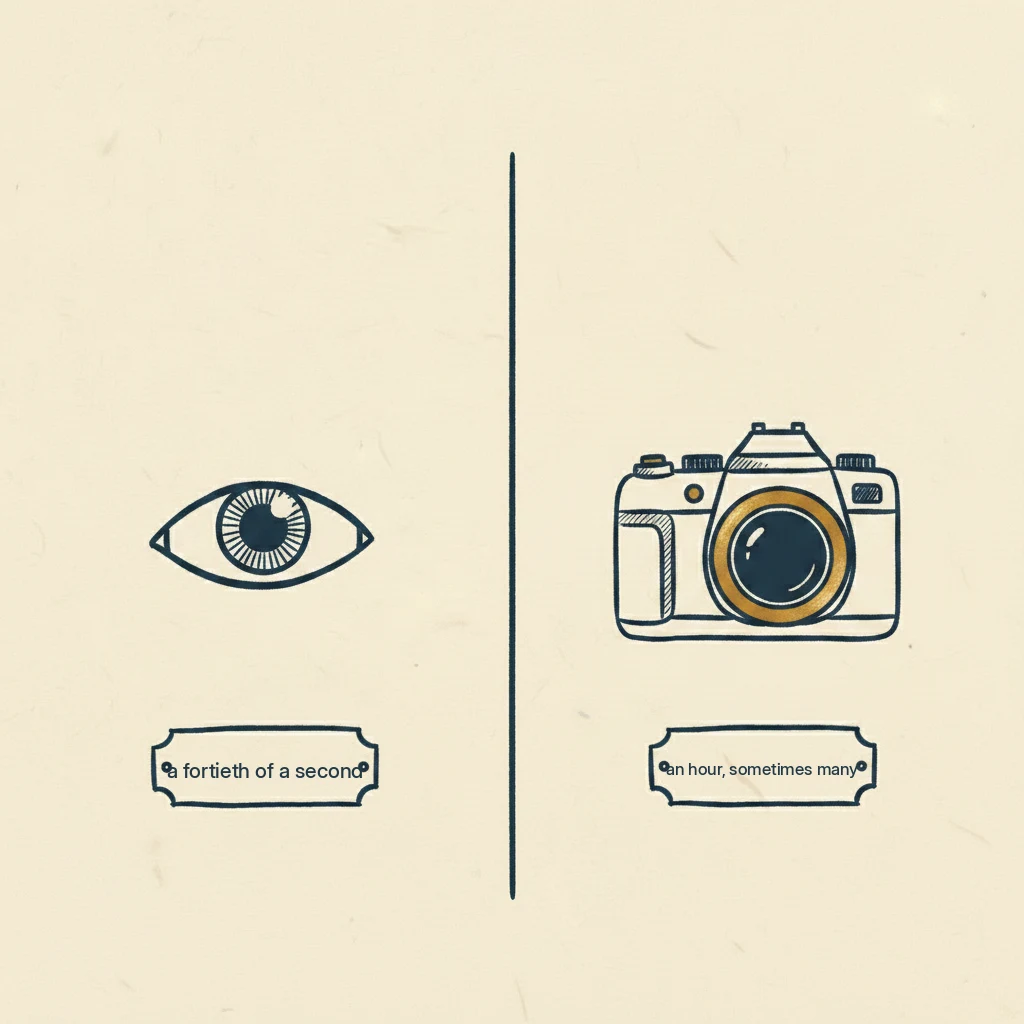
Here’s what’s actually happening when you point a small telescope at the sky. Light that left Saturn more than an hour ago finishes its trip in your eye. That’s the wonder, and it’s real, and it’s also smaller than the poster. Saturn shows up as a tiny, bright, sharp thing with rings, not a wall-sized photograph. Once you know that going in, Saturn still wins every time.
So the honest first question isn’t which scope, it’s what will I actually see. Start there, with what a telescope really shows of the planets, and if it’s one target pulling you in, the rings of Saturn have their own page. The moon first, the planets second, the faint far-off stuff much later or maybe never, and that’s completely fine.
Just tell me which one
If you don’t want the whole tour, this is the express lane. The best telescope, just tell me which one gives you the pick without the theory. It’s built for the person who wants a steady, honest answer and their evening back.
The fork: is this for a beginner or an adult
The word “beginner” hides a fork, and it matters. A true first-timer wants forgiveness: something that aims easily and doesn’t punish a shaky hand. That’s the telescope for beginners. A grown adult buying for themselves can usually handle, and will be happier with, more light-gathering width from the start, and that’s a different pick: the best telescope for adults. Same hobby, two honest doors. If the scope is going to a child, take the age-matched route instead, over on the best kids telescope.
And if you aren’t sure you want to spend at all yet, the smartest move on the whole site is to start stargazing tonight and buy nothing. Learn to find a few things with your own eyes and a pair of binoculars first. You’ll buy far better later, and you may find you’re in no hurry.
The honest talk about cheap, and about cost
Two questions come up here, and they’re really the same question. First, the best cheap telescope, honestly, which is the page that names the floor below which you’re mostly buying frustration, not a telescope. Second, how much a telescope actually costs, which counts the whole thing, including the small extras the first year that nobody warns you about. Read those two together and you’ll never be surprised at the register or in the driveway.
When the sky matters more than the scope
Eventually someone wants the faint, far-off things: galaxies, nebulae, deep space. Here the rule flips in a way the marketing never tells you. A dark sky can beat a bigger telescope. Where you stand can matter more than what you spend. That whole honest picture, including what these objects really look like to the eye, which is gray and subtle, not the color photograph, lives on the best telescope for deep space.
Where my counter ends
At some point the question stops being about looking and starts being about photographing the sky. That’s astrophotography, and I’ll be straight with you: it isn’t my table. The instrument there’s really the mount, not the telescope, and the whole thing works differently. So the astrophotography page does something the rest of the site does not. It sells you nothing, and it points you to the people who actually do this for a living. That page earning nothing is the proof that the rest of this corridor is honest.
Start at whichever door is yours. The order is the point, not the price.
Every page in this room
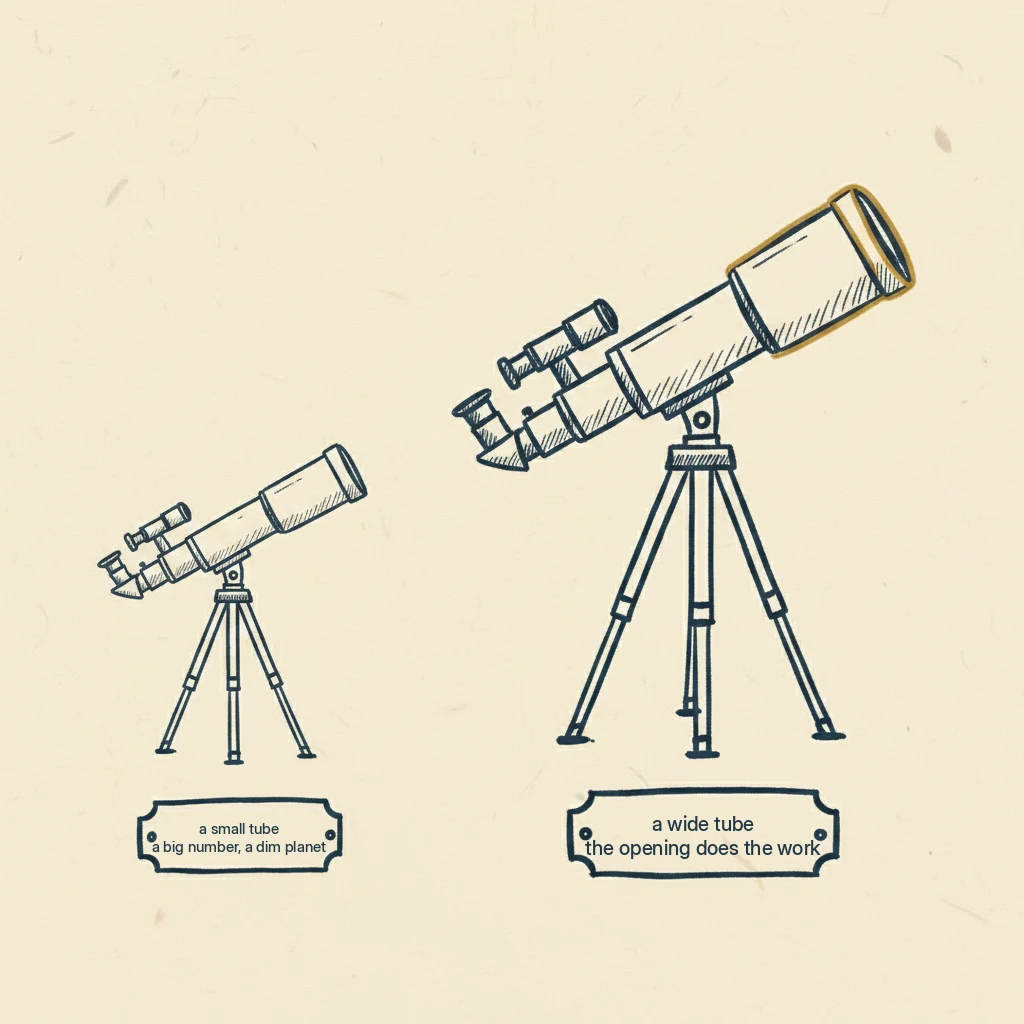 Best Telescope for Adults: The One You'll Actually Carry Outside The adult answer really is more aperture. For most people that is a 130mm to 150mm reflector, the best value there is.
 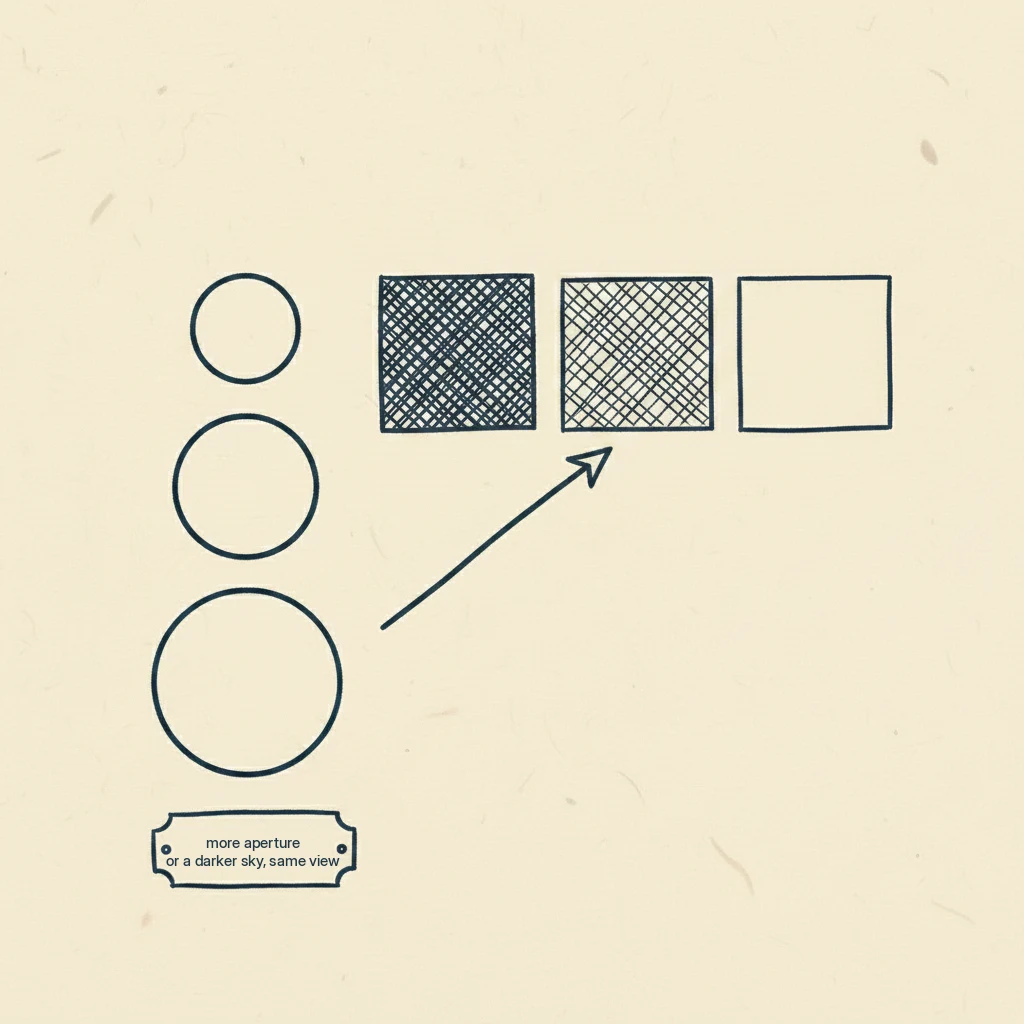 Best Telescope for Deep Space: Why a Dark Sky Beats a Bigger Scope Aperture is the number that matters for deep space, but a dark sky can beat a bigger scope.
 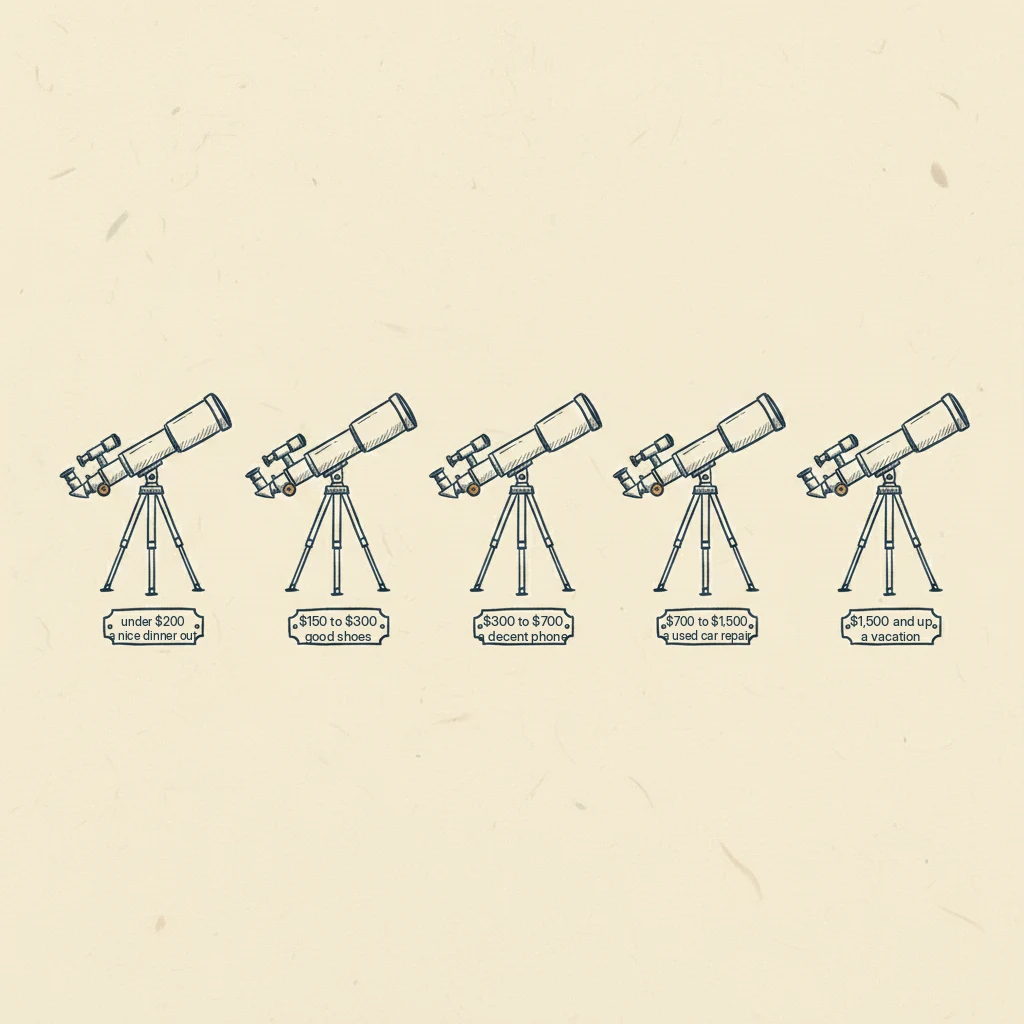 How Much Does a Telescope Cost? What You'll Really Spend A telescope worth owning starts around $150 to $300. Below about $100 you're mostly buying frustration.
 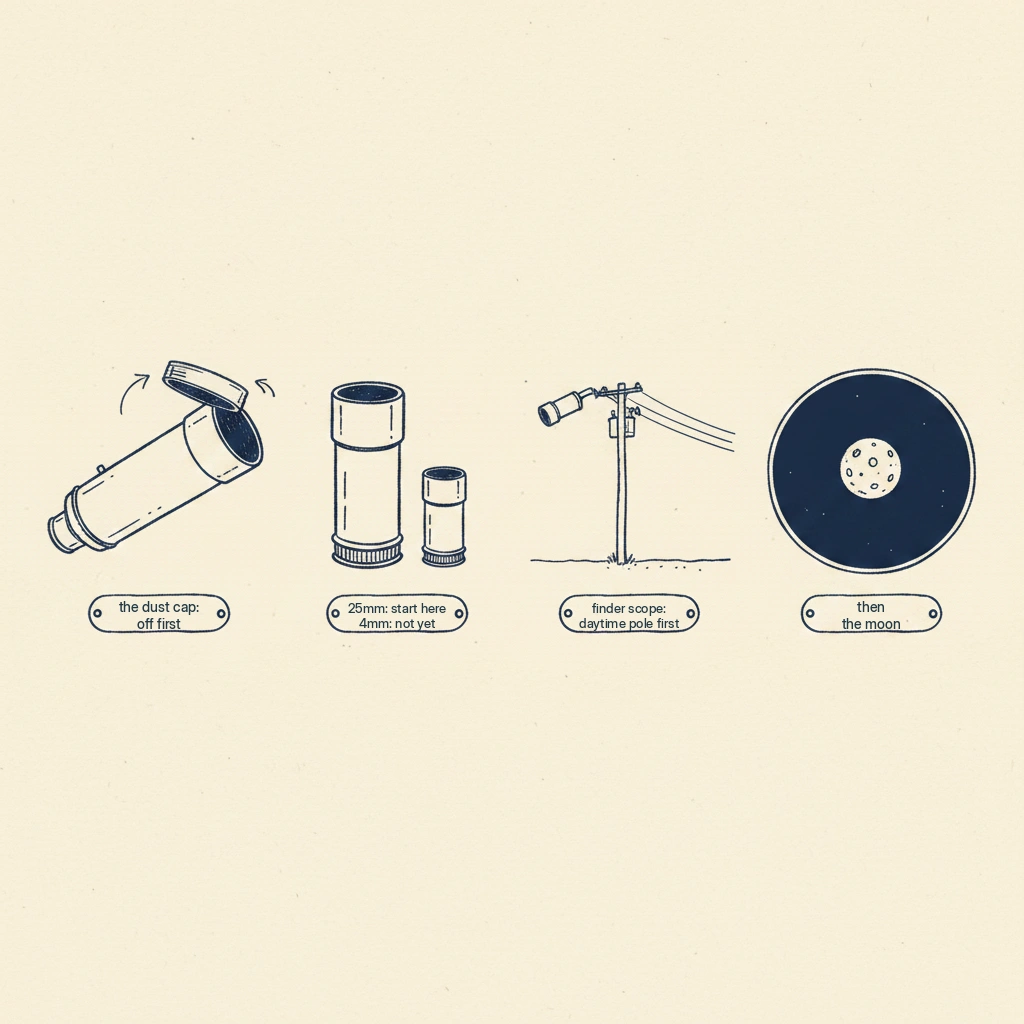 How to Use a Telescope When It Feels Like It's Broken Can't see anything? Four fixes handle almost every case: dust cap off, lowest-power eyepiece first, finder scope aligned in daylight…
 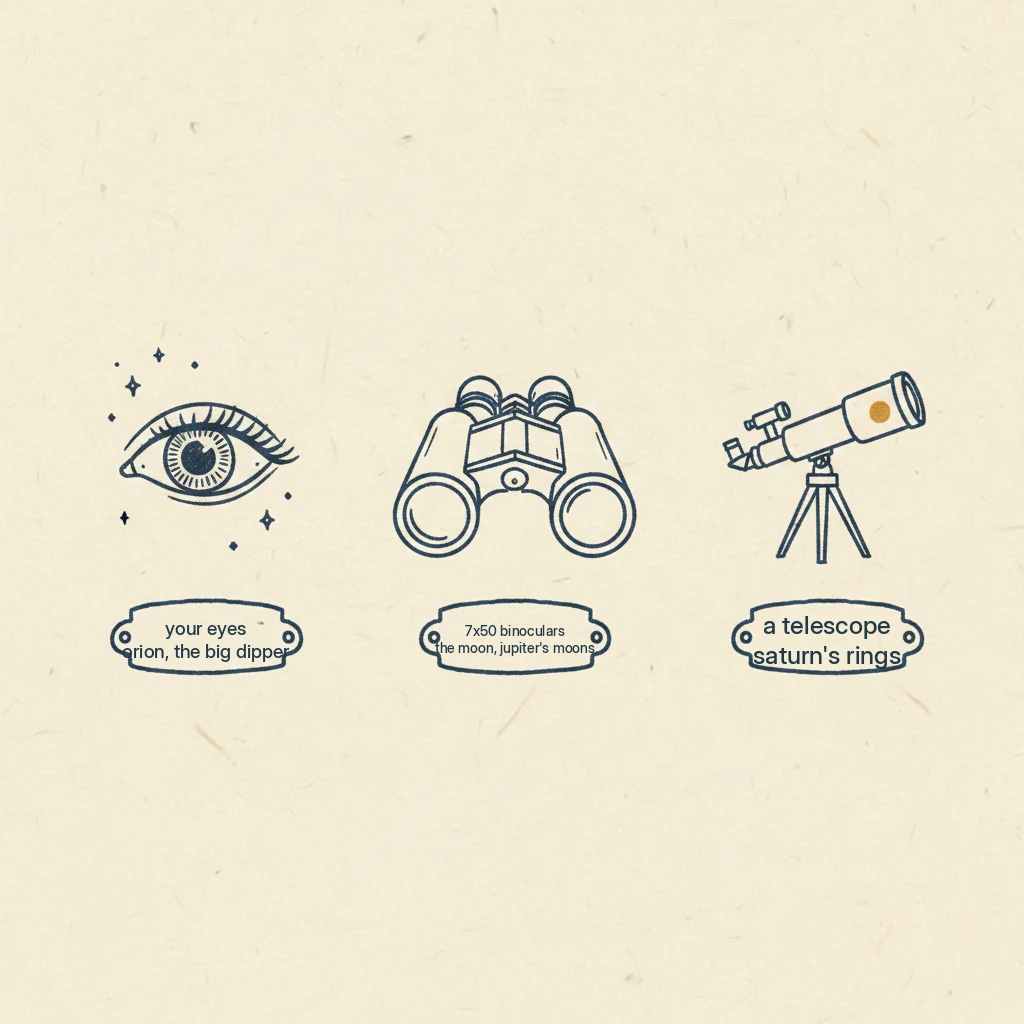 Stargazing for Beginners: Start Tonight, Buy Nothing Yet The order that works: learn three constellations with your eyes, add a 7x50 or 10x50 binocular next, and buy a telescope last…
 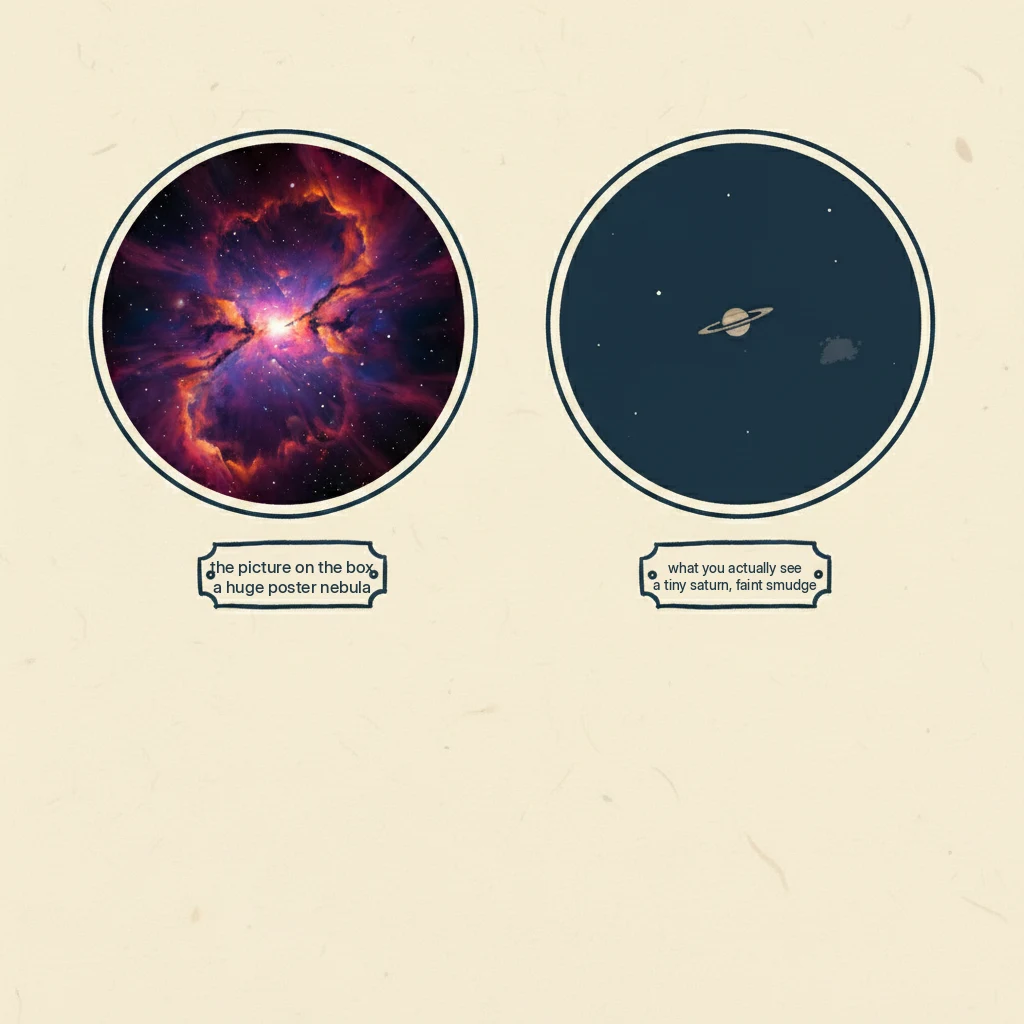 Telescope for Beginners: The One Number, and the One Lie Buy for one number: aperture, the width of the end that gathers light. Put it on a mount steady enough to aim.
 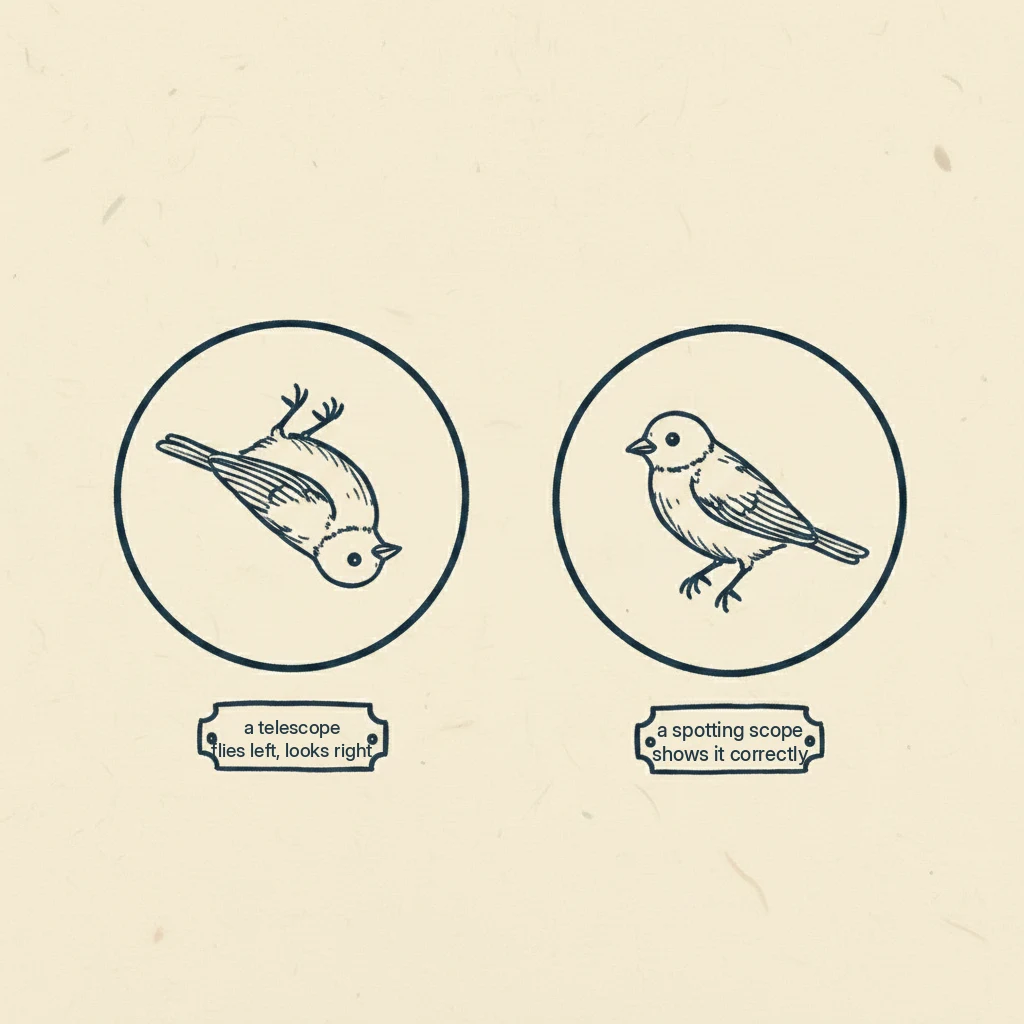 Telescope for Bird Watching: The One You Want Is Called a Spotting Scope For bird watching you want a spotting scope, not an astronomical telescope: 20 to 40x, a 60 to 80mm lens, a right-way-up image…
 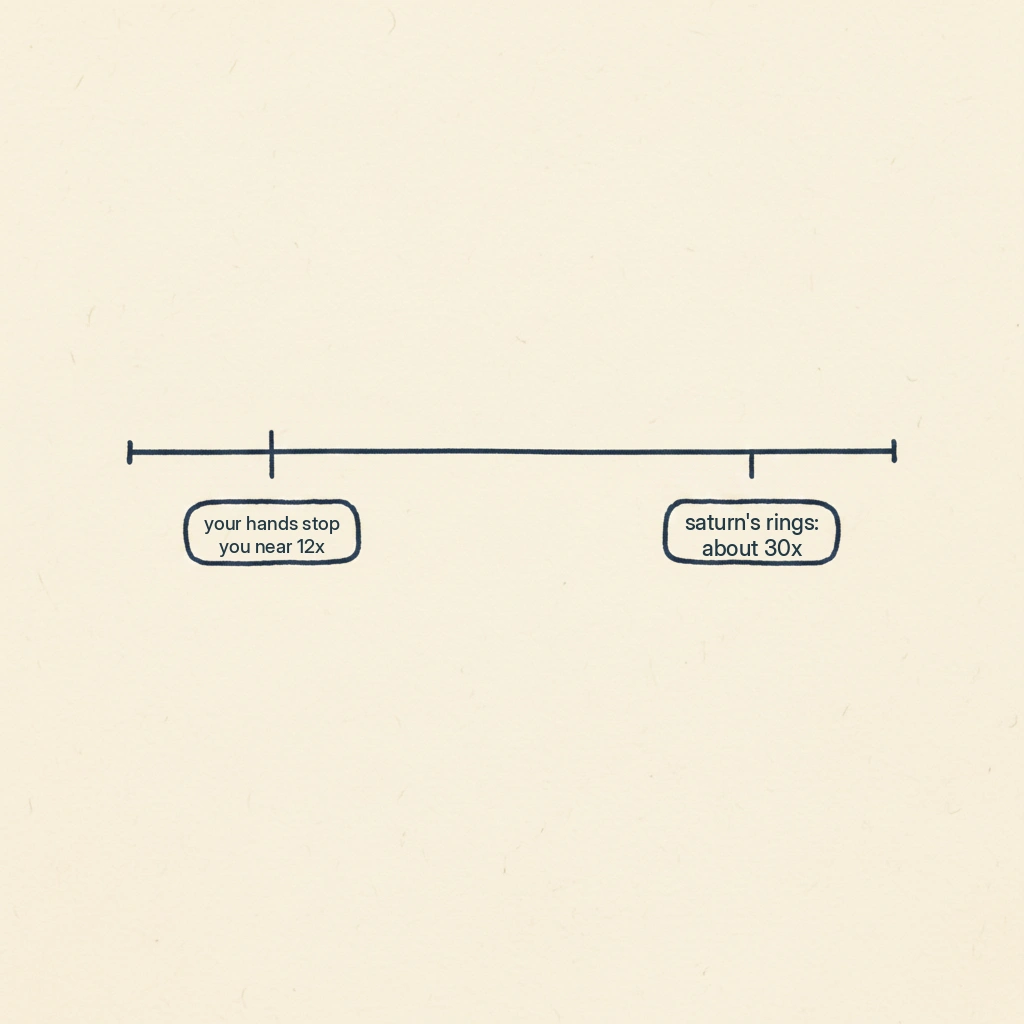 Telescope vs Binoculars: Which Should You Actually Buy First? For a first instrument, binoculars usually win, and NASA says so too. A 7x35 to 10x50 pair shows the Moon's craters, the Pleiades…
 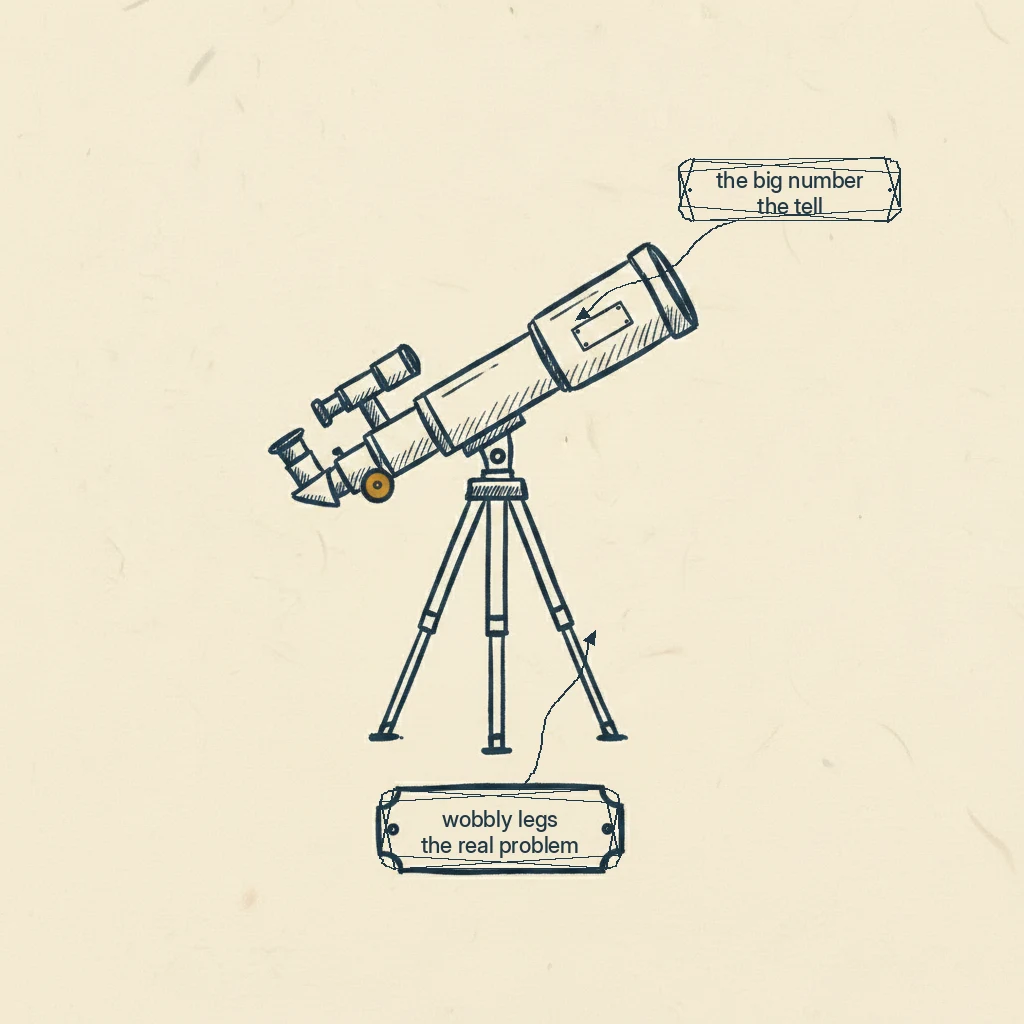 The Best Cheap Telescope: An Honest Answer Below about $100 you're mostly buying frustration. The real starting point is $150 to $350, spent on a steady mount…
 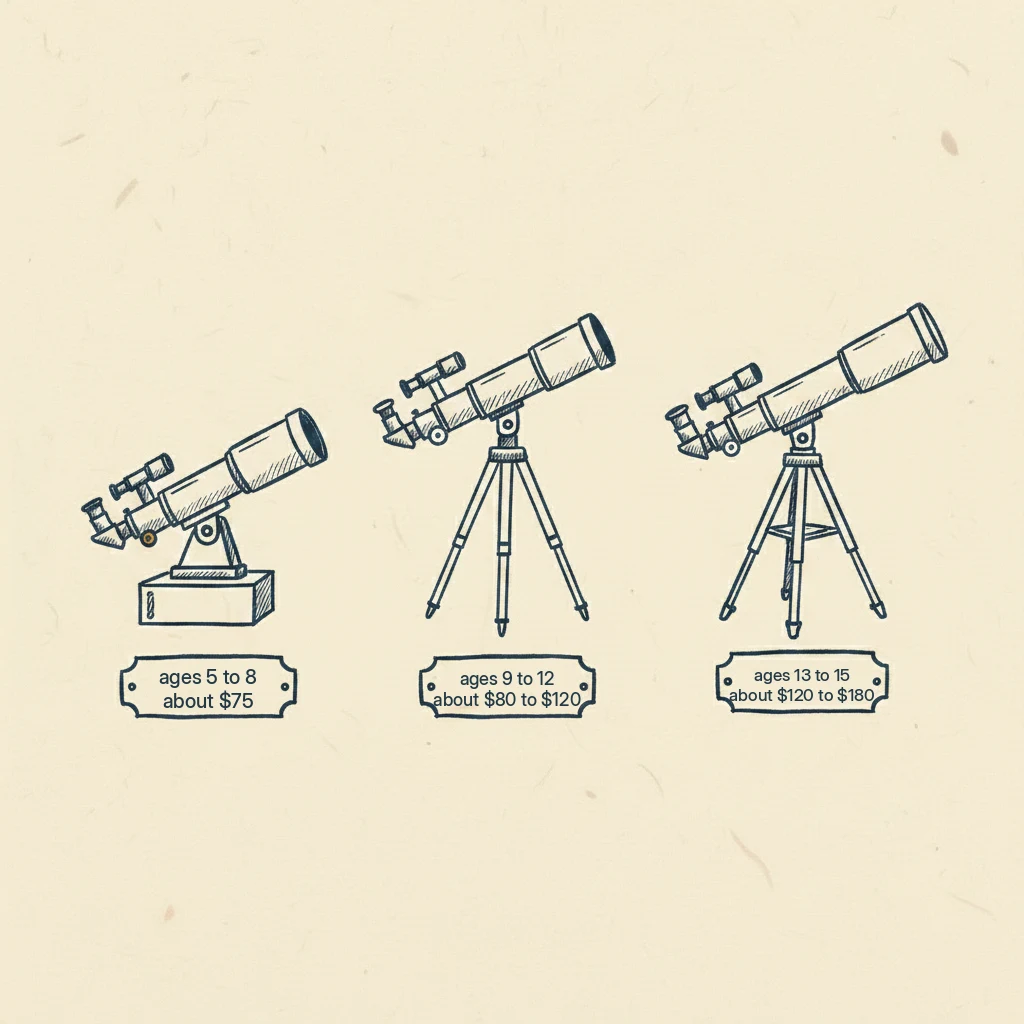 The Best Kids Telescope, Matched to Their Age Match the scope to the kid: a tabletop Dobsonian for ages 5 to 8 (about $50 to $75), a 70mm refractor for 9 to 12 (about $80 to $120).
 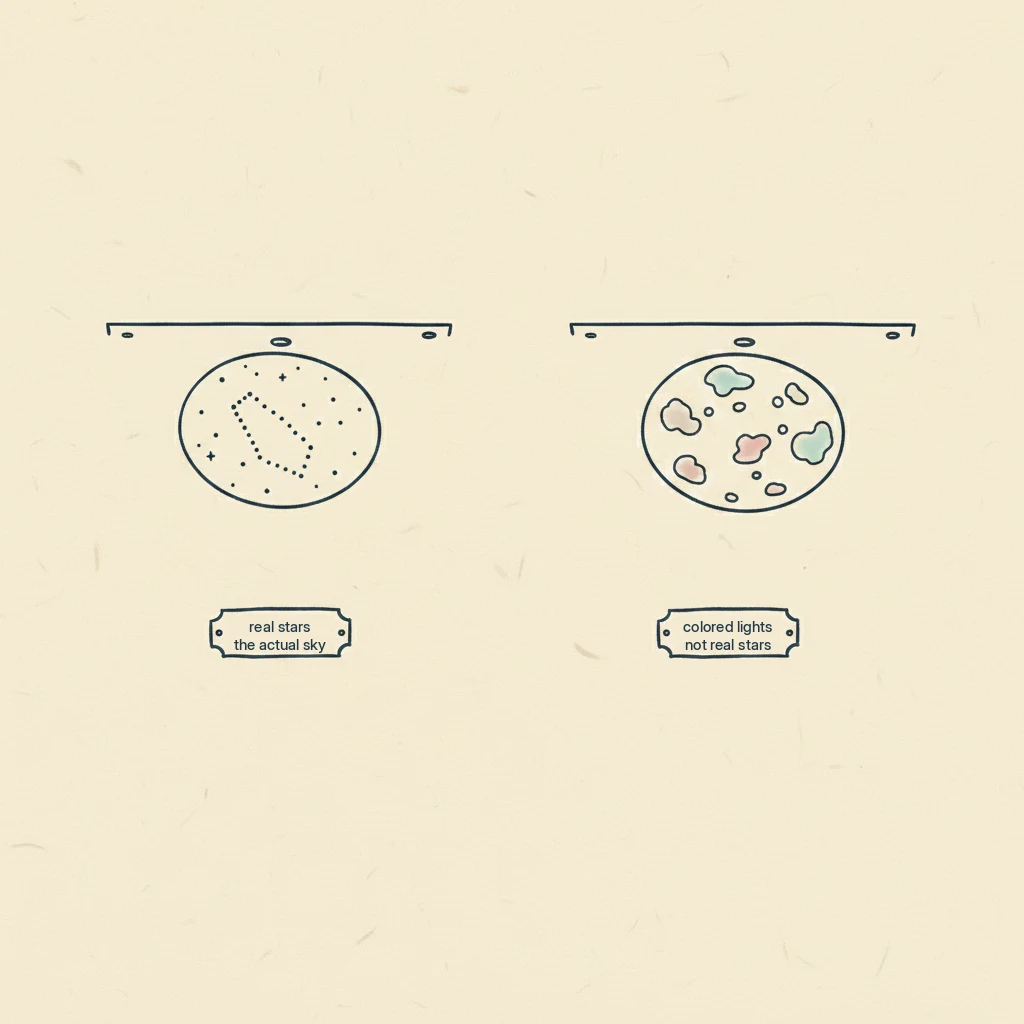 The Best Star Projector for Kids: Two Very Different Things Star projectors come in two kinds: accurate ones that show the real night sky (learning tools…
 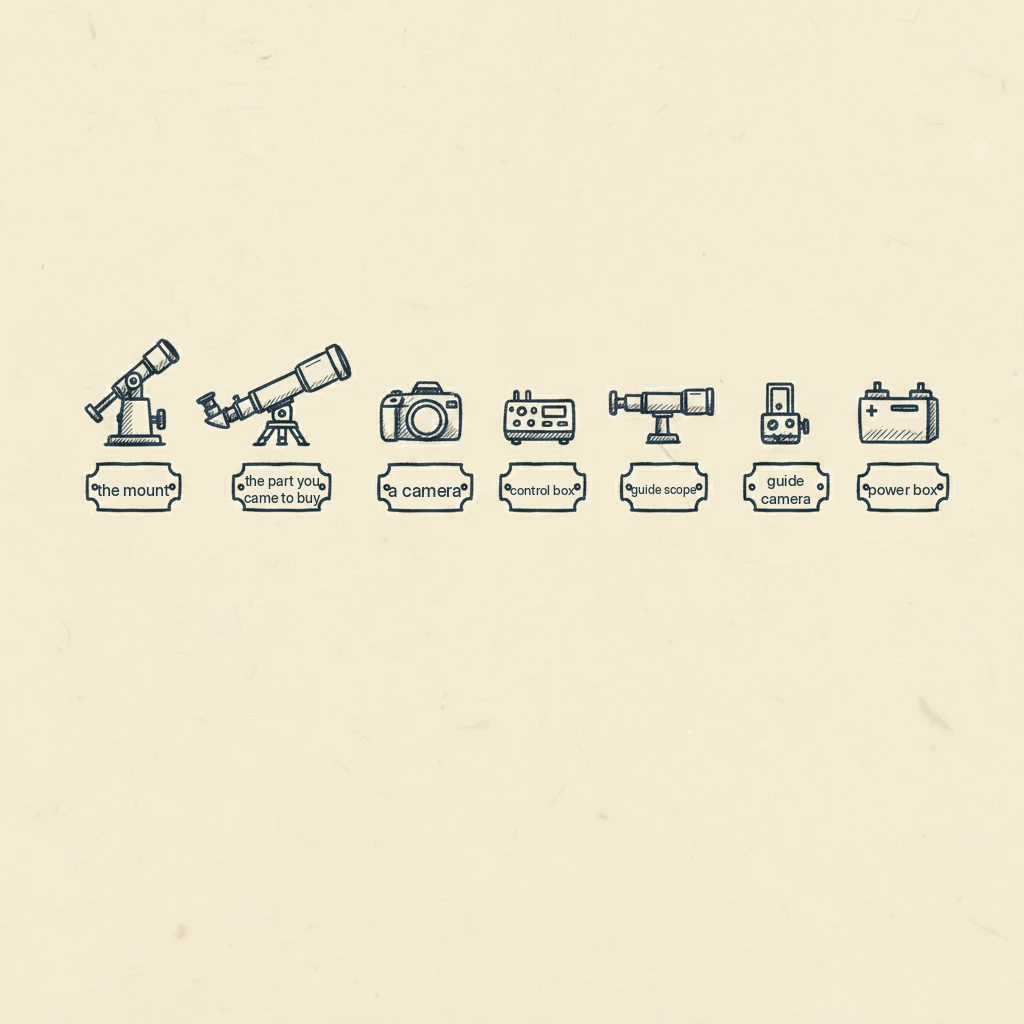 The Best Telescope for Astrophotography: The Honest Answer About the Money The mount, not the telescope, is the instrument in astrophotography, and a real beginner build runs about $2,700.
 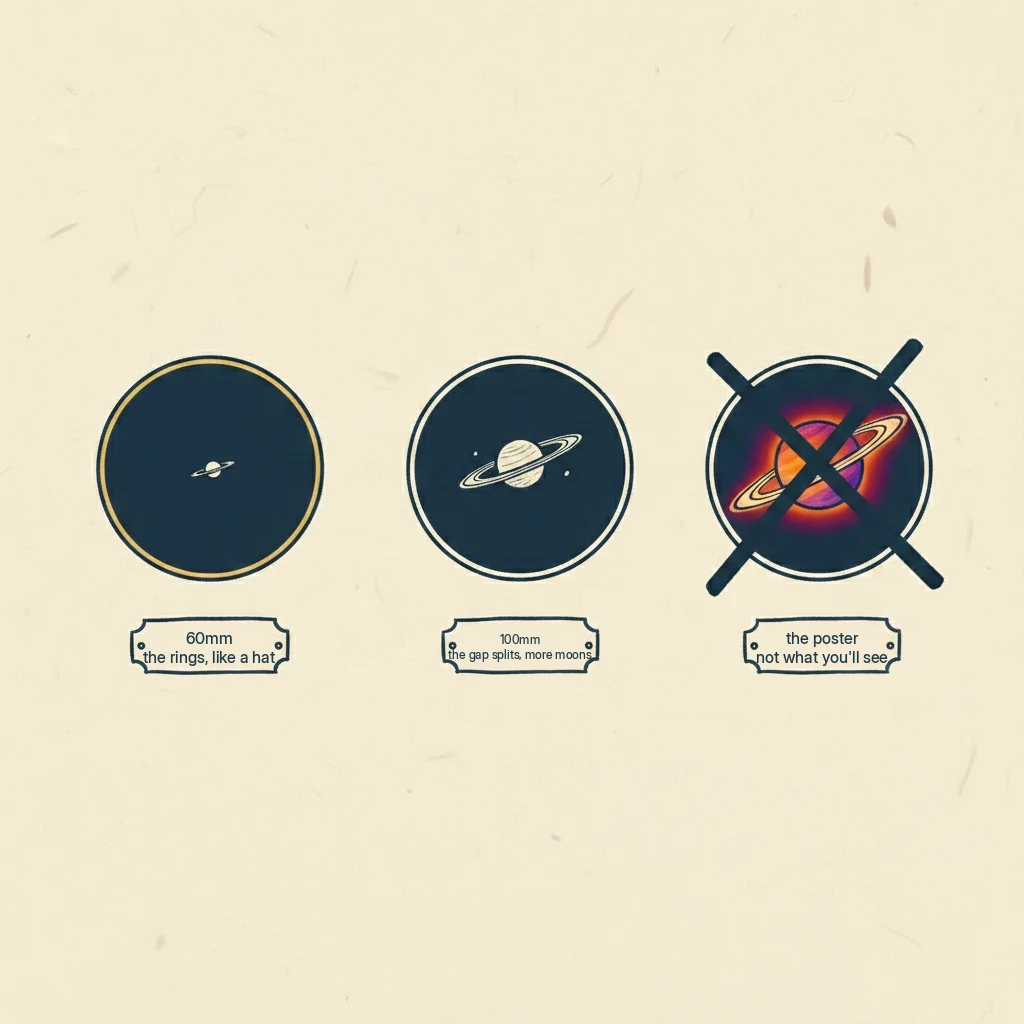 The Best Telescope to See Saturn, and What Its Rings Really Look Like A 60mm telescope at 50x already shows Saturn's rings clearly. The Celestron AstroMaster 70AZ at about $150 to $200 is the honest Saturn…
 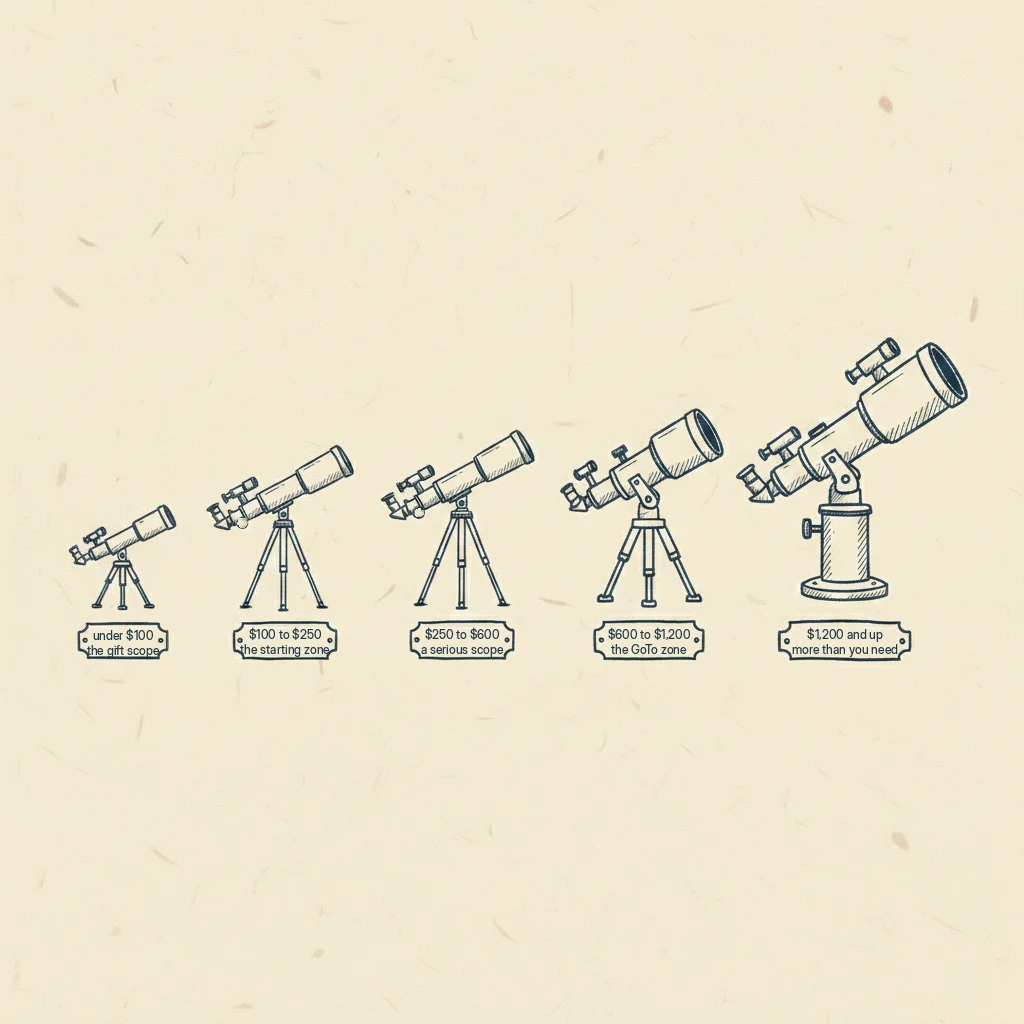 The Best Telescope: Just Tell Me Which One to Buy For most first buyers the best telescope is a $150 to $350 pick chosen for aperture and a steady mount…
 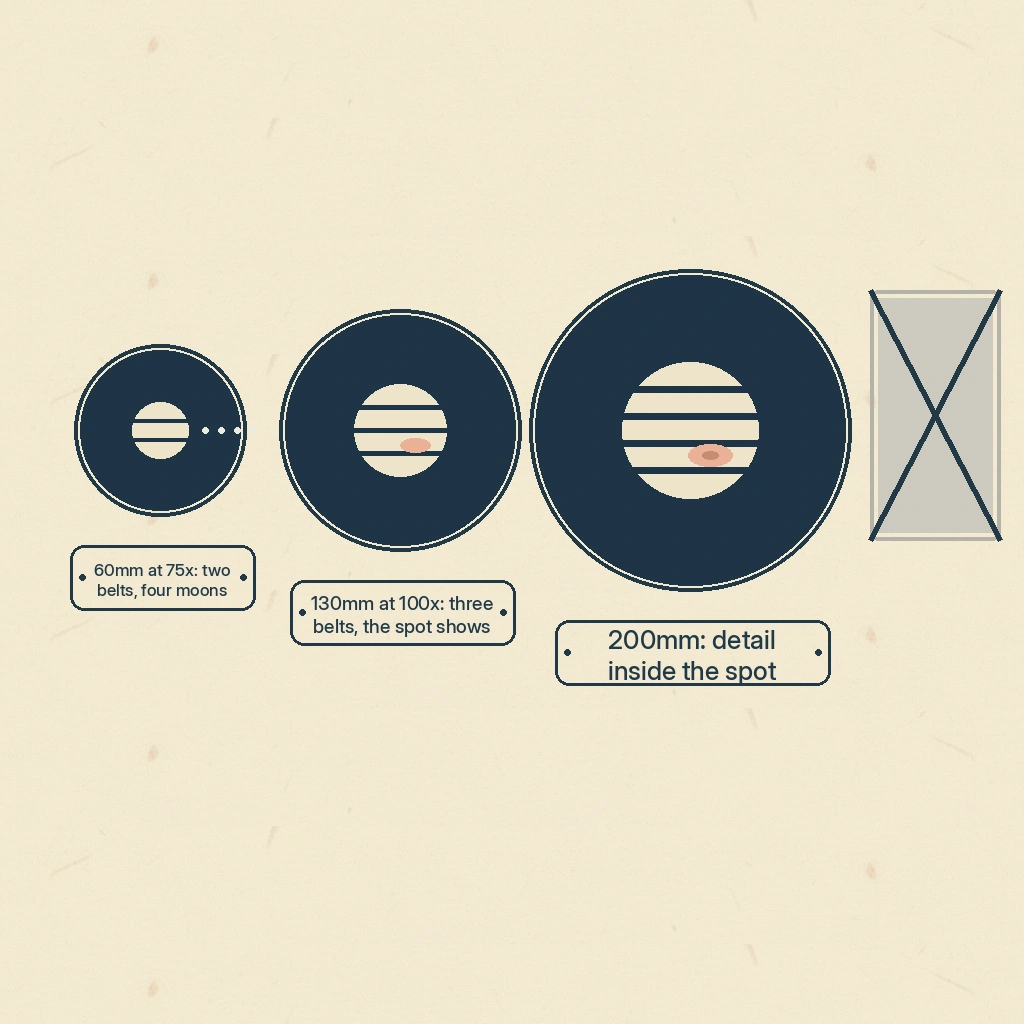 The Telescope to See Jupiter, and What Its Stripes and Moons Really Look Like Any 60mm telescope shows Jupiter's two cloud belts and all four big moons.
 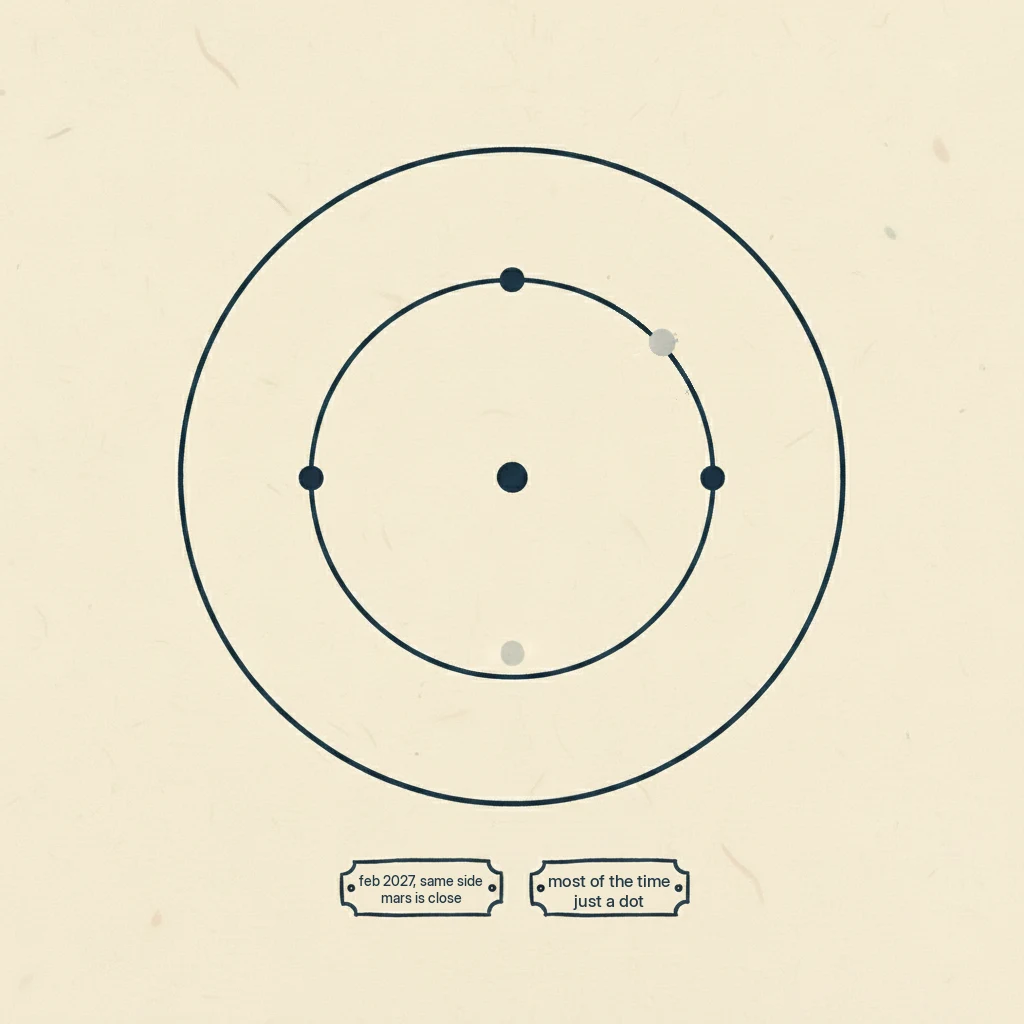 The Telescope to See Mars, and Why the Date Matters More Than the Scope Mars is only worth looking at for a few months around opposition, roughly every two years. The next is February 19, 2027.
 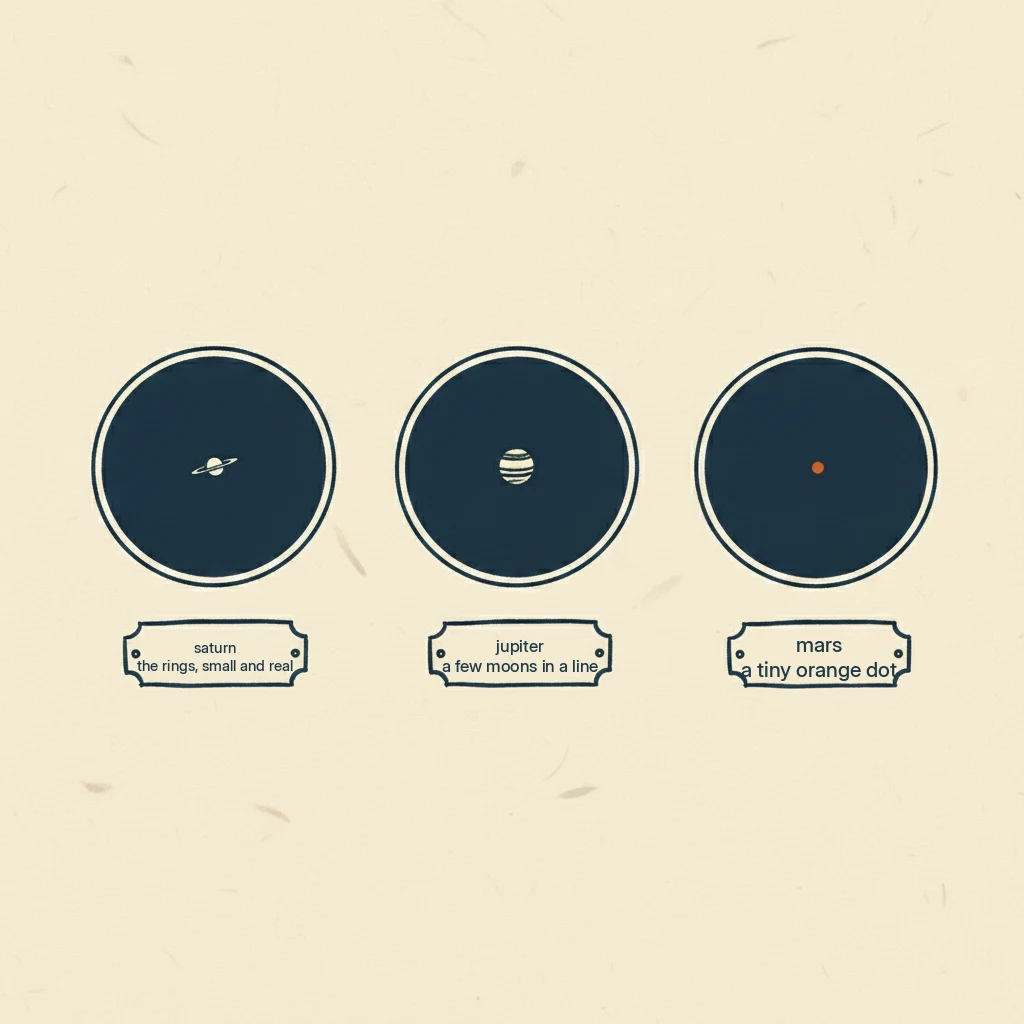 The Telescope to See Planets: What You'll Actually See A small telescope really does show Saturn's rings and Jupiter's moons. They look small and bright, not poster-sized.
 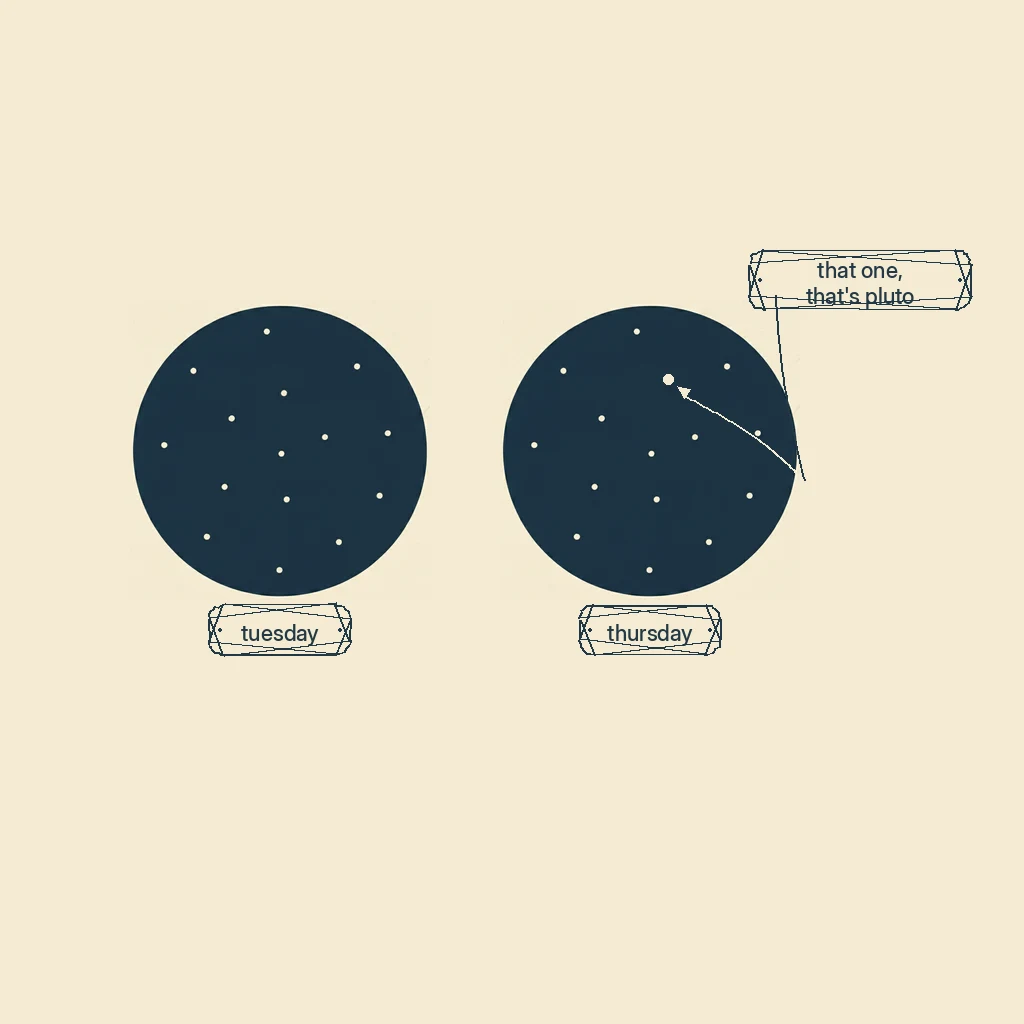 The Telescope to See Pluto, and the Honest Truth About That Faint Dot Honestly, not the way you're picturing. No telescope on Earth shows Pluto as more than an anonymous dot with no disc at any magnification.
 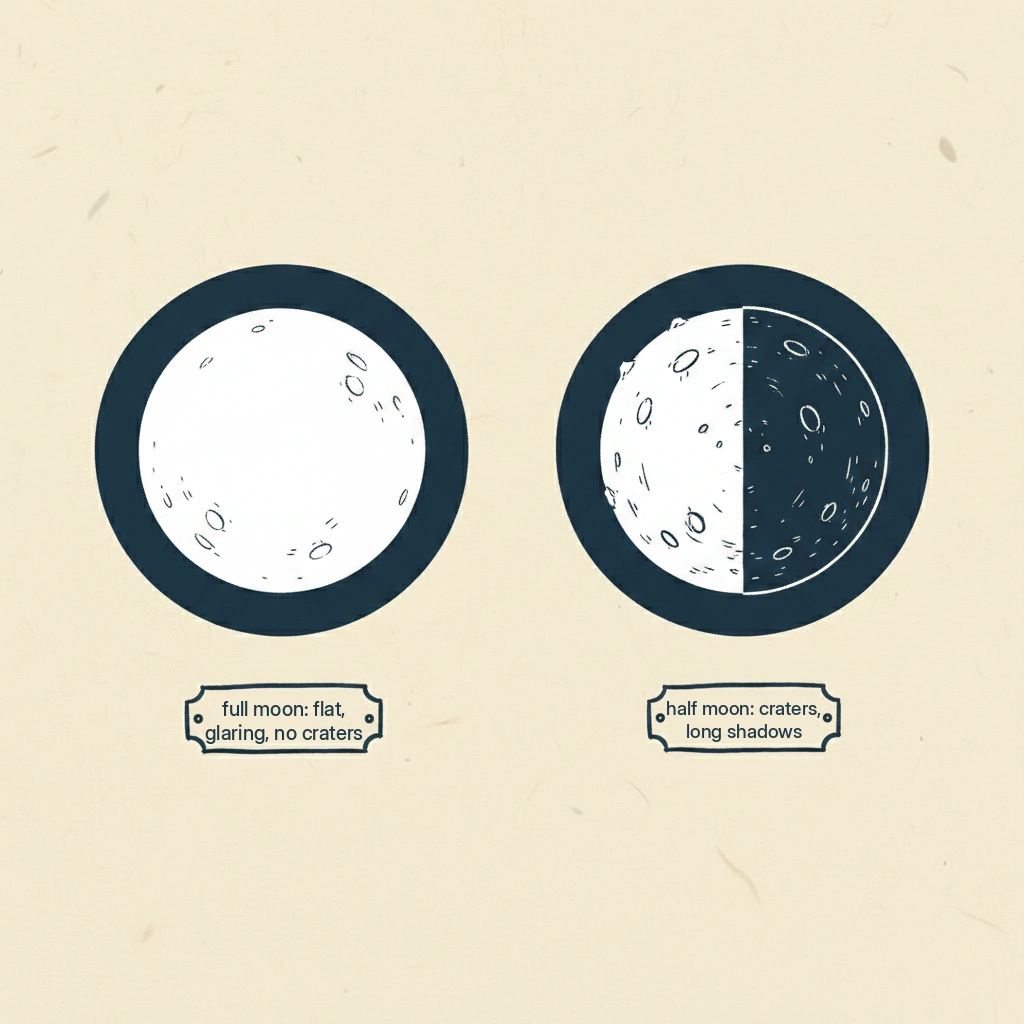 The Telescope to See the Moon, and the One Night You Shouldn't Look Almost any telescope shows lunar craters beautifully, even a cheap one. The trick is timing, not gear: skip the full moon…
  What Can You See With a Telescope, Honestly The Moon is spectacular. Saturn's rings and Jupiter's moons are small but unmistakable.